Reliable Solana RPCs, Engineered for Scale
Solana demands speed and uptime. Carbium RPC delivers Swiss-built reliability and enterprise-grade performance, priced for builders.


Why We Built Carbium
Solana demands speed and uptime, not inflated bills. Carbium RPC delivers Swiss-built reliability and enterprise-grade performance, priced for builders.
It’s Not Solana. It’s Not You. It’s Your RPC.
Solana’s fast. Blazing fast. That’s the whole point. But then mainnet surges, someone drops an NFT collection, or a memecoin pumps, and suddenly you’re watching timeouts pile up while your users start tweeting about your “broken” app.
The truth: It’s not Solana that’s failing. It’s the RPC choking under pressure.
Your code is fine. The network is processing transactions. Somewhere between your app and the blockchain, an overloaded or poorly configured RPC can become the bottleneck nobody talks about until it costs you users. That is why we built Carbium around infrastructure we operate, clear capacity boundaries, and a direct setup path for builders.
Swiss reliability is not just a tagline for us; it is an engineering philosophy. We run bare-metal infrastructure in Switzerland because we wanted more control over the stack, not another generic cloud-shaped layer between builders and Solana.
We think the best infrastructure is the kind you rarely have to think about. But serious teams still need to understand the limits, test their workload, and know what to do when traffic gets ugly.

Solana Is Getting Faster. The Infrastructure Layer Has to Keep Up.
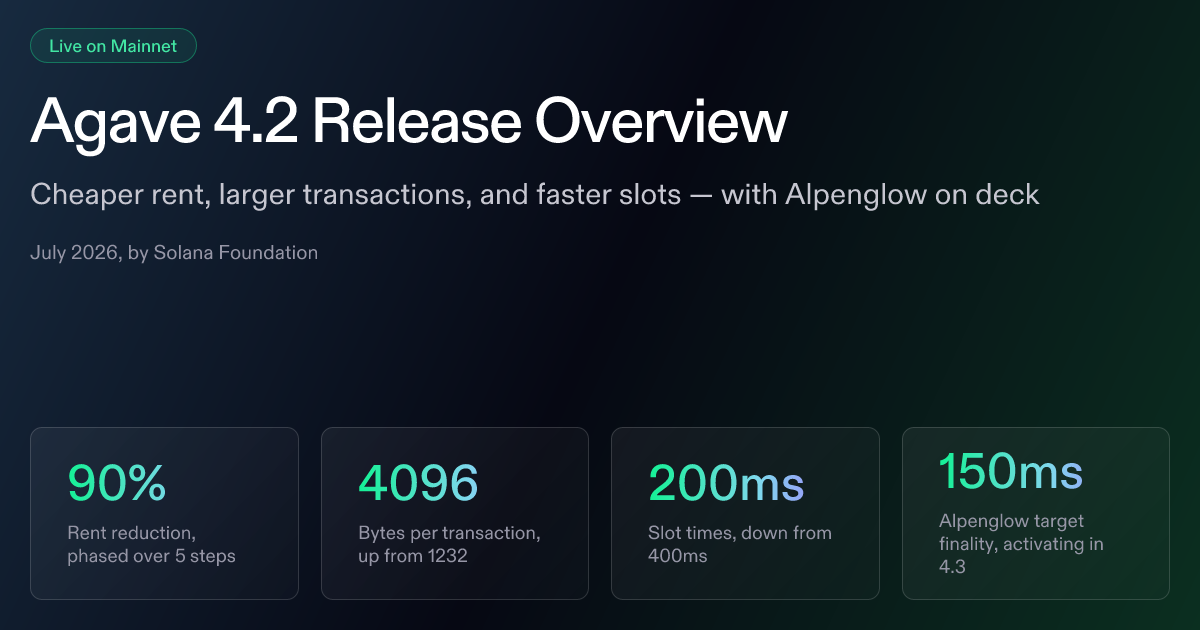
Solana is not standing still. Agave 4.2 is reducing slot times from 400ms toward 200ms through staged feature activations. Alpenglow, Solana’s planned consensus upgrade, is targeting a much shorter finality window. The direction is obvious: latency expectations across the stack are moving down.
When the chain gets faster, the weak parts of the path become harder to hide behind. A slow, poorly configured, or overloaded RPC does not become less important. It becomes the part everybody notices.
 Solana Foundation
 Solana Foundation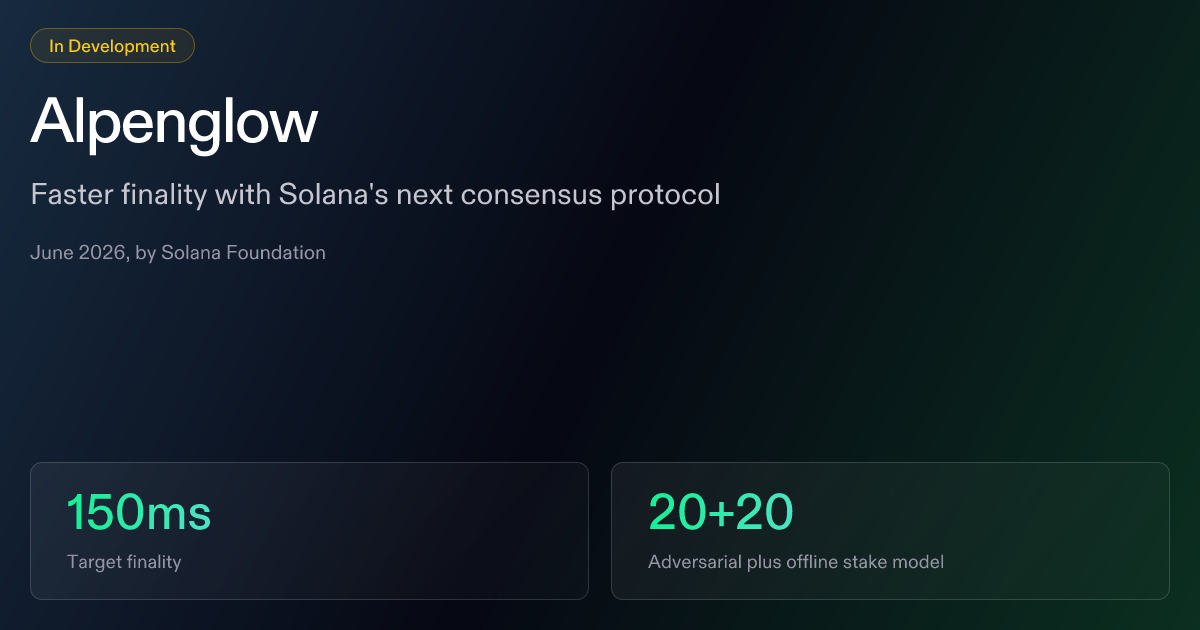
Why RPC Infrastructure Matters
Your RPC connection is your application’s heartbeat. Every wallet interaction, every bot trade, every DEX swap, every validator operation depends on that connection staying fast and reliable. A slow RPC means a dead app. An unreliable RPC means lost users and missed opportunities. Carbium keeps you live, synced, and scaling, because in Solana’s high-speed ecosystem, there’s no room for infrastructure bottlenecks.
Performance isn’t just about peak numbers, it’s about consistency when it matters most. Carbium RPC delivers sub-50ms latency with throughput up to 500 requests per second, maintaining 99.99% uptime even during Solana’s toughest traffic spikes. These aren’t theoretical benchmarks; this is real-world performance that outpaces most paid RPCs, even on our free tier.
Start with a dedicated key, make one authenticated getHealth or getSlot call, and then test the methods your app relies on. A green health check is a start, not a production benchmark.



Owned Infrastructure, Not Leased Performance
The difference is in the architecture. Carbium runs on a proprietary Solana-optimized stack that we built from the ground up. This means deterministic routing with zero jitter, multi-region load balancing, and no third-party dependencies slowing you down. When you connect to Carbium, you’re connecting to bare-metal infrastructure engineered specifically for Solana’s unique demands, not generic cloud services retrofitted for blockchain.
Free to Start, Pricing That Scales
Start free for testing and development. As you scale, choose capacity based on both monthly credits and requests per second. They solve different problems: credits measure sustained usage, while RPS measures how hard you can burst right now.
- Free: 500k Credits, 10 Requests/sec.
- Developer: 10M Credits, 50 Requests/sec, $32 monthly.
- Business: 100M Credits, 200 Requests/sec, Geyser, $320 monthly.
- Professional: 200M Credits, 500 Requests/sec, Geyser, $640 monthly.

How to get your free Carbium RPC key with 500k Credits
Resources & Technical Reference
 Carbium
 Carbium



 Solana Foundation